Double-Bagging Asbestos: Why It Issues
Double-bagging asbestos is necessary due to the fact that you're utilizing 2 difficult, labeled 6-mil plastic bags to secure hazardous material. This split system slashes the danger of microscopic asbestos fibers running away throughout handling, transportation, or disposal— something single-bagging can not guarantee. You'll need to secure each bag independently and stay clear of overfilling to stop rips or fiber launch. Using approved products and strict method is crucial to remaining secure and legally compliant. Next, you'll see precisely how to handle every step with confidence.
Takeaways
- Double-bagging asbestos waste supplies a critical additional barrier, avoiding dangerous fiber launch throughout handling and transport.
- The outer bag adds security if the inner bag is punctured, substantially lowering air-borne asbestos threats.
- Double-bagging lines up with lawful and regulatory needs for secure asbestos clean-up and disposal.
- Correct double-bagging, utilizing 6-mil labeled bags, guarantees conformity and stays clear of costly lawful charges.
- This best-practice approach supports worker safety and public wellness by including microscopic asbestos fibers better than single-bagging.
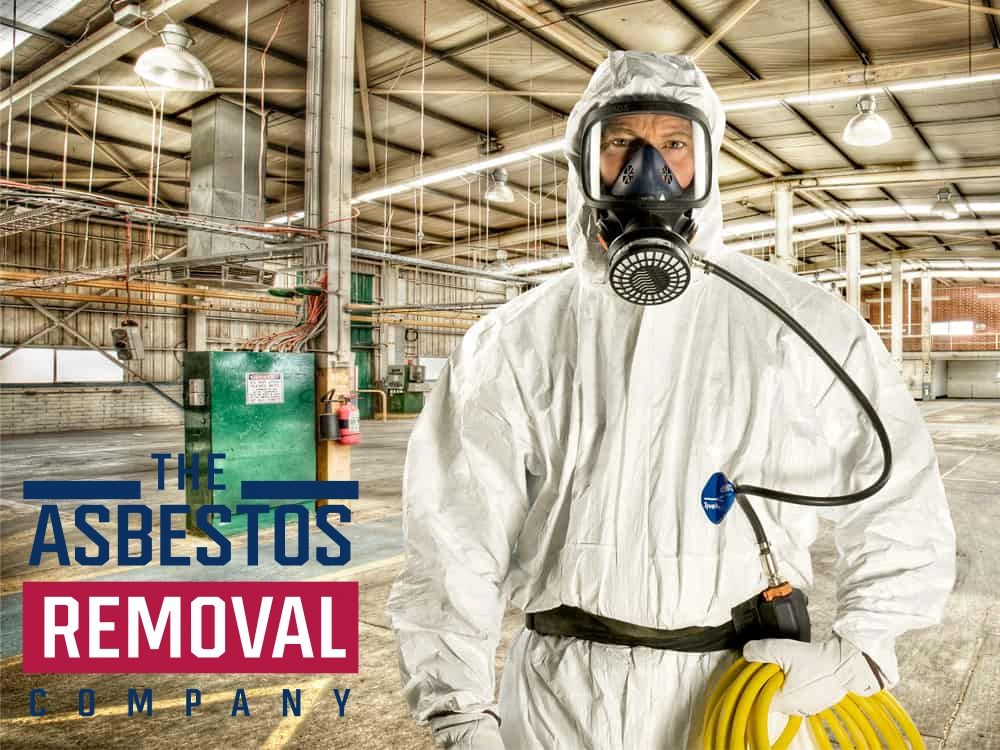
Why Asbestos Control Issues
When you're handling asbestos, reliable containment isn't simply a step-by-step procedure— it's necessary for avoiding harmful fibers from becoming air-borne and contaminating job areas. Asbestos fibers are tiny and can continue to be suspended airborne for prolonged periods, posing substantial air-borne dangers. https://whitechapelasbestosremoval.co.uk/services/soft-strip-demolition.html If you don't control the spread, you enhance the probability that employees and developing occupants will certainly breathe in these fibers, causing serious wellness impacts such as asbestosis, mesothelioma, and lung cancer cells. To reduce these dangers, you need to carefully seal off the workspace, use unfavorable air stress, and employ individual safety devices. Correct control treatments, including wetting materials and stopping unneeded disruption, aid limitation fiber release. This careful approach is vital for safeguarding both immediate and long-term wellness in any kind of asbestos reduction job.
What Is Double-Bagging and Just How Does It Work?
Double-bagging enters play as a vital safety and security action whenever you're taking care of asbestos waste. You'll position the asbestos material in a particularly identified, thick plastic bag— after that secure it tightly. Next off, you'll put that secured bag into a 2nd, equally durable bag and seal it again. This split technique noticeably reduces the threat of fiber launch, supporting air-borne control and decreasing exposure. Proper worker training warranties this process is followed precisely, decreasing contamination risks for everyone entailed. Right here's a check out why both layers are essential:
Layer
Objective
Threat If Left out
Internal Bag
Key containment
Fiber leak
Outer Bag
Second security
Environmental spread
Securing Actions
Makes certain airtight seal
Exposure to workers
Appropriate technique maximizes security and regulative compliance.
Picking the Right Bags for Asbestos Disposal
When selecting bags for asbestos disposal, you'll require to utilize only those particularly authorized and labeled for asbestos waste. These bags should be at least 6-mil thick to avoid splits and punctures during handling and transportation. It is vital to inspect both the resilience and regulatory compliance of the bags before starting any abatement work.
Accepted Asbestos Disposal Bags
Selecting the right disposal bags is crucial for securely consisting of and eliminating asbestos waste. You must make use of accepted bags that adhere to governing requirements, such as OSHA and EPA needs. These bags are usually intense yellow or clear, plainly identified with “Asbestos” cautions, and produced from high-strength polyethylene. Following disposal protocols implies sourcing your bags from reliable supply resources that can offer documents of conformity. Accepted bags ensure that fibers stay consisted of throughout transport, decreasing wellness dangers and legal responsibilities. Prior to purchase, always verify that the bags fulfill local and federal regulations. The table listed below summarizes the essential considerations:
Demand
Details
Governing Standards
OSHA 29 CFR 1910.1001, EPA guidelines
Approved Bags
Identified, 6-mil polyethylene, satisfies conformity
Disposal Procedures
Double-bagging, secure sealing, classified for asbestos
Supply Resources
Industrial safety and security vendors, verified regulative documentation called for
Bag Thickness and Durability
Focus on bag thickness and durability to guarantee asbestos waste remains fully had throughout handling and disposal. When picking bags, you'll want to choose ones that are a minimum of 6 mils thick-– this is the sector standard for asbestos disposal. Thicker bags provide exceptional bag stability, minimizing the danger of accidental launch of dangerous fibers. Constantly verify the bags have high tear resistance, as thin or vulnerable bags can divide under the weight or sharp sides of asbestos materials. Ensure the bags are especially labeled for asbestos, indicating they fulfill regulatory requirements. Double-bagging with 2 independent layers better improves containment. Do not endanger: using low quality bags undermines every other safety procedure you take. Correct selection assurances both lawful compliance and security for you and everyone involved.
Just How to Double-Bag Asbestos Waste: Step-by-Step
To double-bag asbestos waste properly, you'll need to choose sturdy, 6-mil polyethylene bags that are clearly classified for asbestos. See to it you seal each bag individually utilizing duct tape or a gooseneck tie to protect against any fibers from escaping. Once safeguarded, constantly take care of and transport the bags upright and with treatment to minimize the risk of slits or tears.
Selecting Correct Bag Keys In
When you tailor up to double-bag asbestos waste, it's crucial to select bags that meet rigorous regulatory requirements for harmful products. You'll require 6-mil thick polyethylene bags, as these are especially developed to consist of asbestos fibers and withstand punctures. Always verify the bag's accreditation and labeling to guarantee conformity— bags ought to be significant plainly as “Asbestos Waste.” Adhering to bag shade coding is necessary; generally, asbestos bags are red or yellow, signaling dangerous material to trainers and disposal centers. Do not overlook the value of encapsulation techniques prior to bagging, as this reduces airborne fibers throughout handling. By picking the proper bag type, you're considerably decreasing the risk of exposure and guaranteeing you meet both security and legal needs for asbestos disposal.
Securing Bags Safely
Although the process might appear straightforward, securing asbestos waste bags demands meticulous focus to information to avoid fiber release. After you have actually placed the asbestos particles in the first bag, it's crucial to ensure air tight securing before putting it in the 2nd bag. This step prevents air-borne fibers from escaping and polluting the setting. Use tamper noticeable closures to ensure that the bags have not been opened up or jeopardized throughout handling. Adhere to these necessary actions for safe and secure sealing:
- Twist and tape: Spin the top of the bag tightly, then seal with solid duct tape, making certain an air tight securing.
- Double-bag: Location the secured bag inside a 2nd asbestos-rated bag, repeating the twist-and-tape method.
- Apply meddle apparent closures: Safeguard both bags with meddle apparent closures to verify stability and compliance.
Transporting Waste Securely
With the asbestos waste securely double-bagged and closed, your next priority is making certain safe transportation to an accepted disposal website. Correct control logistics are necessary— constantly pack the bags upright, staying clear of sharp things and direct call with car surfaces. Do not stack bags, as this can stress joints and take the chance of a violation. Course planning is crucial: select the shortest, safest course with very little stops and low-traffic durations to lower unexpected direct exposure. Keep waste paperwork obtainable throughout transit, and never leave the automobile ignored. The table listed below describes vital steps:
Step
Action
Rationale
1. Filling
Upright, spaced bags
Protects against rupture
2. Protecting
Use straps, no piling
Maintains bag integrity
3. Path Planning
Fastest, best course
Limits direct exposure dangers
4. Documentation
Carry materializes
Governing compliance
5. Guidance
Never ever leave lorry unattended
Stops unauthorized access
Common Double-Bagging Mistakes and How to Stay clear of Them
If you're dealing with asbestos waste, it's essential to recognize that improper double-bagging can jeopardize control and increase wellness dangers. Despite worker training and suitable safety equipment, blunders still take place. Here are 3 common double-bagging mistakes and just how you can avoid them:
- Incorrect Bagging Order: Always location asbestos waste in a labeled 6-mil polyethylene bag, then seal it prior to placing it into a second, similarly long lasting bag. Do not reverse the order or miss sealing.
- Inadequate Sealing: Usage duct tape or a gooseneck connection to make specific both bags are completely secured. Partial sealing allows fibers to leave.
- Damaged Bags or Overfilling: Never ever overfill bags or make use of ones with slits. Inspect bags prior to use and limitation materials to two-thirds capacity to stop ruptures throughout transportation.
Correct double-bagging is necessary for risk-free asbestos disposal.
Double-Bagging vs. Single-Bagging: What's the Difference?
While both double-bagging and single-bagging include sealing asbestos waste in heavy-duty plastic, both techniques differ noticeably relative to control and regulative conformity. https://whitechapelasbestosremoval.co.uk/services/refurbishment-demolition-survey.html With single-bagging, you make use of just one 6-mil polyethylene bag, which gives a basic barrier against asbestos particles. Nonetheless, this approach enhances the threat of leaks or rips, potentially releasing airborne fibres during handling. Double-bagging, by contrast, requires you to put the secured first bag inside a 2nd, clean 6-mil bag. This split approach significantly lowers the opportunity of fibre launch, specifically during transportation or disposal. Additionally, double-bagging aligns with best-practice clean-up procedures, making certain higher security for both employees and the setting. Ultimately, double-bagging provides an extra robust, evidence-based secure against asbestos direct exposure than single-bagging alone.
Asbestos Disposal: Legal Requirements and Conformity
Although dealing with asbestos waste calls for careful focus, proper disposal is governed by strict legal needs that you can't pay for to ignore. As somebody associated with asbestos reduction, you have to keep up to date with regulatory updates to see to it you're fully compliant. Laws generally mandate double-bagging, plainly labeling waste, and transporting it to qualified disposal centers. Failure to conform can lead to hefty fines and legal effects.
Below's what you need to do:
- Double-bag all asbestos waste: Usage 6-mil thick, leak-tight plastic bags, sealing each individually. https://whitechapelasbestosremoval.co.uk/services/artex-removal.html
- Label bags clearly: Mark each with “Asbestos Waste” and include generator and location info, per existing asbestos reduction laws.
- Transport to authorized websites: Only supply waste to facilities especially licensed for asbestos disposal, adhering to local and government legislations.
Regularly Asked Questions
Can I Recycle Bags That Have Had Asbestos Waste?
You should not recycle bags that have contained asbestos waste as a result of considerable recycling threats and strict contamination controls. When a bag's been revealed to asbestos, microscopic fibers can continue to be, making purification almost impossible. Laws require asbestos waste bags to be firmly secured and disposed of at accepted facilities. Always use brand-new, plainly classified bags for asbestos, and adhere to regional disposal treatments to avoid unsafe fiber release and assurance conformity with safety and security criteria.
Exactly How Should Double-Bagged Asbestos Be Stored Prior To Disposal?
Think of the threat if you don't store double-bagged asbestos effectively. You need to constantly put the double-bagged asbestos in sealed containers, making sure there's no puncture or tear guaranteed. Shop the containers in a protected, well-ventilated location, away from direct sunlight, and with temperature control to stop material destruction. Don't stack the containers, and keep them clearly identified as hazardous. This cautious technique minimizes exposure and abide by governing security criteria.
Exist Eco-Friendly Alternatives to Criterion Asbestos Disposal Bags?
Yes, you can discover eco-friendly options to basic asbestos disposal bags. Some firms currently provide biodegradable linings made from products that damage down extra securely over time. If you're concerned about seal stability, look for bags making use of plant based adhesives, which decrease dependence on synthetic chemicals. Nevertheless, you'll need to verify that these choices fulfill all regional and federal harmful waste laws prior to use, as safety and security and conformity stay your top priorities.
What Personal Safety Tools Is Recommended Throughout Double-Bagging?
When handling delicate matters, you'll intend to safeguard on your own fully— don't cut corners. Utilize a effectively fit-tested respirator (P100 or HEPA filters) to guarantee peak respirator fitment versus air-borne fibers. Pick strong, chemical-resistant gloves— double layering is sensible for glove selection. Do not fail to remember non reusable coveralls with sealed seams, security goggles, and shoe covers. Constantly inspect tools stability prior to beginning, and follow purification procedures after double-bagging to minimize remaining risks.
Exactly how Should I Take Care Of Accidental Bag Tears During Transport?
If you notice a bag tear during transportation, promptly quit and start emergency control by positioning the harmed bag right into a new, undamaged asbestos waste bag. Seal it firmly with tape. Minimize disturbance to stay clear of fiber release. Once contained, adhere to decontamination treatments: remove and take care of infected PPE, wash hands and exposed skin, and record the case. Always report the tear to your supervisor for appropriate record-keeping and further purification if required.